Best Times to Visit Different African Reserves
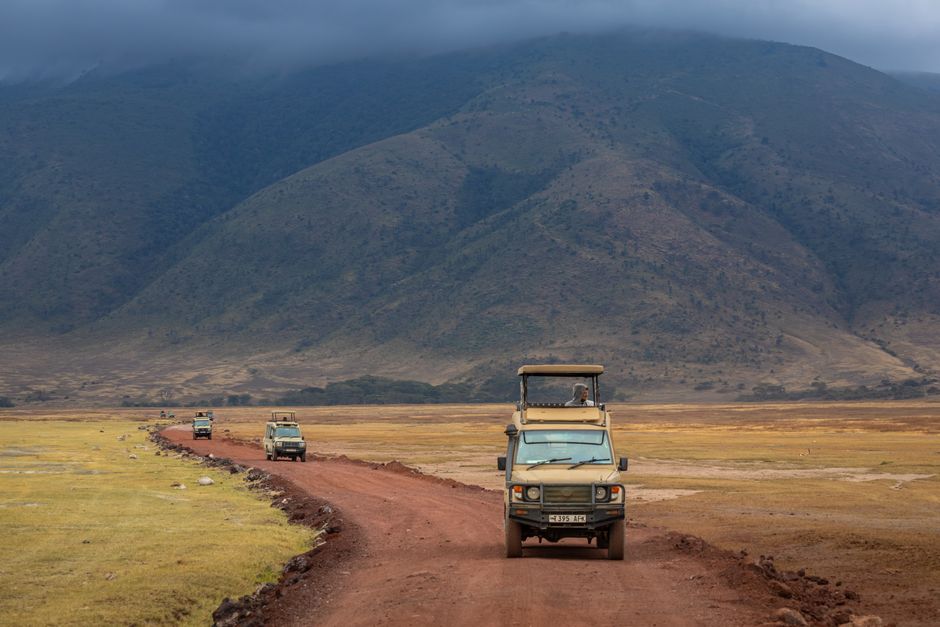
Planning a safari involves understanding the seasonal rhythms that shape wildlife behavior and vegetation across Africa’s diverse reserves. Each reserve offers unique opportunities throughout the year, and the optimal time to visit depends on what you hope to observe. This guide provides a comparative overview of seasonal highlights in several key regions, focusing on wildlife viewing conditions and visitor numbers. By examining the patterns of dry and wet seasons, you can make an informed decision that aligns your expectations with the natural calendar.
The African continent presents a mosaic of ecosystems, from the savannas of East Africa to the woodlands of Southern Africa. Rainfall patterns, temperature variations, and migratory routes all influence animal movements and visibility. Understanding these factors helps travelers plan trips that match their interests, whether that means witnessing the drama of predator-prey interactions during the dry season or enjoying lush landscapes and newborn animals during the wet months. This article explores various reserves, comparing their peak seasons and quieter periods, to assist in crafting a memorable safari experience.
The Dry Season: A Window of Exceptional Wildlife Viewing
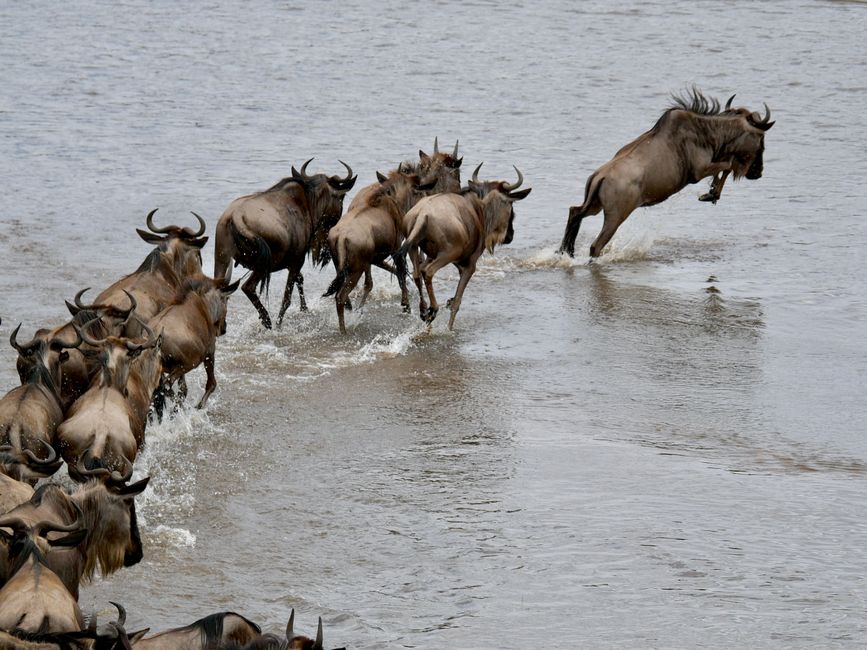
Across many reserves, the dry season, typically occurring during the winter months, offers the most reliable wildlife sightings. As water sources diminish, animals congregate around remaining rivers and waterholes, making them easier to locate. For instance, in South Africa’s Kruger National Park, the dry months from May to September are renowned for excellent game viewing. The sparse vegetation and reduced foliage improve visibility, and the cooler temperatures allow animals to be active throughout the day. Similarly, in Kenya’s Maasai Mara, the dry season from July to October coincides with the Great Migration, when vast herds of wildebeest and zebra cross the Mara River. This spectacle attracts numerous visitors, so planning ahead is essential. While the dry season brings predictable wildlife sightings, it also means higher tourist numbers, particularly in famous parks. If you prefer a more solitary experience, consider lesser-known reserves or opt for guided walks that venture off the main roads.
The Wet Season: Lush Landscapes and Abundant Young
The wet season, or green season, transforms the landscape into a verdant haven. While wildlife may be more dispersed due to plentiful water and grazing, this period offers its own rewards. In many Southern African reserves, such as Chobe National Park in Botswana, the wet season from November to March attracts migratory birds and is a prime time for birdwatching enthusiasts. The lush vegetation provides excellent camouflage, so predators become more elusive, but the increased cover also supports a boom in prey species. Additionally, many animals time their breeding to coincide with the rains, resulting in an abundance of young. For example, in Ngorongoro Crater in Tanzania, the calving season from January to February offers exceptional opportunities to see newborn wildebeest and the predators that follow them. The wet season also typically means fewer tourists, making it ideal for those seeking solitude and a more intimate connection with nature. However, heavy rains can sometimes make roads impassable, so it is important to check conditions and choose accommodations with good access.
Comparing Specific Reserves: When to Go and Why
Each reserve has its unique seasonal dynamics that influence the best time for a visit. In Etosha National Park in Namibia, the dry season from June to October is particularly rewarding. The park’s stark landscapes concentrate wildlife around permanent waterholes, offering exceptional viewing and photography opportunities. Conversely, the wet months from November to April bring dramatic thunderstorms and a burst of new life, but animals are less concentrated. In contrast, Hwange National Park in Zimbabwe sees its peak from August to October when large elephant herds gather at waterholes. The dry season also reduces the risk of malaria in many regions, a consideration for some travelers. For those interested in primate viewing, such as in Uganda’s Bwindi Impenetrable Forest, the drier months from June to August and December to February are often cited as more comfortable for trekking. However, the forest can be rewarding year-round. It is essential to research each destination thoroughly to understand its particular seasonal patterns and align them with your interests.
Avoiding Crowds: Strategies for a Quieter Safari
For many, the ideal safari includes relative solitude. Avoiding the peak tourist seasons is a key strategy. Typically, the dry months of July and August are the busiest, especially in East Africa. To avoid crowds, consider visiting during the shoulder seasons—the months just before or after the peak. In Southern Africa, April and May offer a balance of good game viewing and fewer tourists, as the rains have ended but the vegetation is still thick. Similarly, September and October in East Africa provide excellent wildlife viewing as the migration culminates, but with slightly fewer visitors than in July and August. Another approach is to choose less frequented reserves. Private reserves bordering major parks, such as the Sabi Sand Game Reserve adjacent to Kruger, offer a more exclusive experience with fewer vehicles. Additionally, early morning and late afternoon game drives are typically more productive and less crowded than midday outings. By planning your travel dates and selecting your destinations wisely, you can enhance your chances of a tranquil and immersive safari.
Weather and Climate Considerations
Beyond wildlife, the climate plays a significant role in your comfort and overall experience. In Southern Africa, winter (May to September) brings mild days and cool nights, with temperatures sometimes dropping below freezing, particularly in the Kalahari and highveld regions. Conversely, summer (November to March) can be hot and humid, with afternoon thunderstorms. In East Africa, the climate varies with altitude; the highlands are cool, while the coasts are hot and humid. The long rains occur from March to May, and the short rains from October to December. These periods can disrupt travel plans, but they also bring a sense of renewal to the landscape. It is advisable to pack layers, as temperatures can fluctuate dramatically between morning game drives and midday breaks. Moreover, the risk of insect-borne diseases, such as malaria, may be higher during the wet season. Consulting with travel health professionals and taking appropriate precautions are essential steps in planning any safari.
Cultural and Logistical Factors
The best time to visit a reserve is also influenced by local cultural events and logistical considerations. For instance, some areas may have seasonal festivals or community initiatives that enrich your experience. In South Africa, the dry winter months coincide with the country’s whale watching season along the coast, offering a chance to combine a safari with coastal wildlife. Additionally, school holidays in your home country and local holidays can affect demand and availability. It is wise to book accommodations and activities well in advance, especially during peak seasons, and to consider guided tours that handle logistics. Savanna Guardians, a reputable operator, offers a range of safari packages that can be tailored to your preferences, ensuring a seamless experience. Their expertise in navigating seasonal variations can help you make the most of your trip, whether you are a first-time visitor or a seasoned explorer.
“The savanna is not just a landscape; it is a living calendar, where every season writes its own story of survival and renewal.”
Conclusion
Choosing the best time to visit an African reserve requires careful consideration of your priorities, whether they include exceptional wildlife viewing, lush scenery, or fewer crowds. The dry season generally offers more predictable sightings, while the wet season provides a greener backdrop and the chance to see young animals. Each reserve has its unique rhythms, and understanding these patterns is key to planning a rewarding safari. By researching seasonal dynamics, considering weather and cultural factors, and consulting with experienced operators like Savanna Guardians, you can tailor your journey to meet your expectations. Remember that flexibility and preparation are your greatest allies in creating a memorable and enriching African adventure.